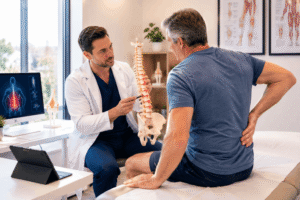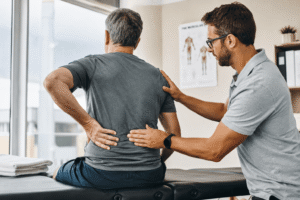
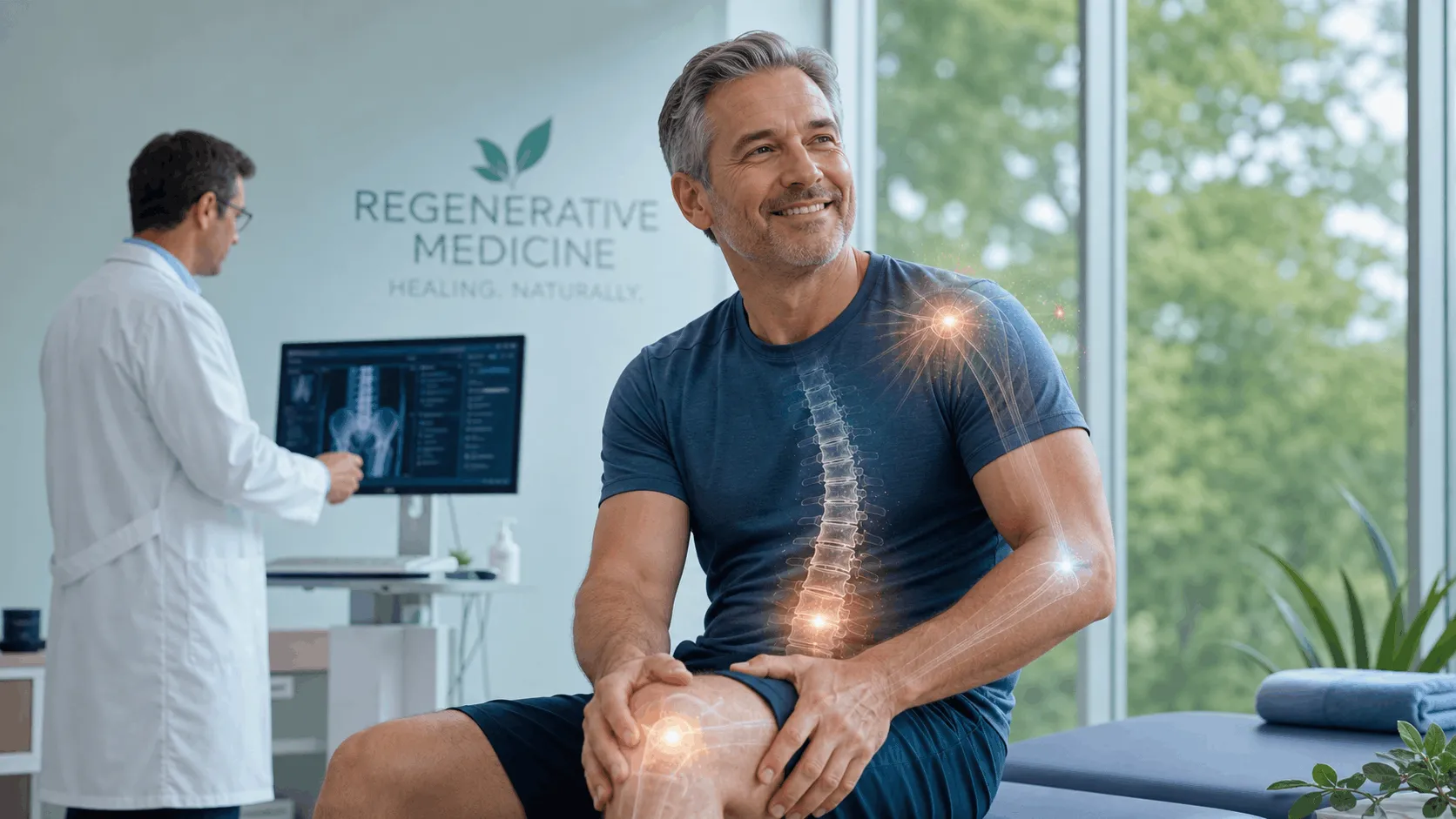
Chronic pain affects a lot of people every year. It limits what they can do, makes them tired, and gets in the way of life. A lot of people take medicine, get injections, or try treatments that only provide temporary pain relief. These things do not really fix the problem. Luckily, the way we do healthcare is changing. medicine is a way to help people heal and feel better for a long time.
Regenerative medicine works differently from traditional pain treatments. It does not just try to make the pain go away. It helps the body fix damaged tissues, reduce swelling, and work again. This new way of thinking about pain relief treatment is helping people feel better. It is a way to get better, and it lasts longer.
If you have arthritis, hurt your joints, damaged your tendons, or have swelling, regenerative medicine might be the natural pain relief you need.
Understanding Regenerative Medicine
Regenerative medicine is a new area of medicine. It helps repair, rebuild, and regenerate tissues in the body. It supports the body’s natural ability to heal and repair itself.
Many people choose medicine because it is less invasive. It can help with muscle and bone problems and chronic pain. These treatments help the body heal at a small level. This makes them a good choice for people who do not want surgery or to take medicine for a time.
Regenerative medicine can help with these conditions:
• Arthritis and joint problems
• Tendon and ligament injuries
• Sports injuries
• Chronic back pain
• Knee pain
• Shoulder pain
• Hip pain
• Soft tissue injuries
As medicine gets better, regenerative medicine houston tx, is becoming a way to help with chronic pain. It is a way to feel better for a long time. Regenerative medicine for chronic pain relief is getting recognized as a good way to be healthy for a long time. Regenerative medicine is helping people with medicine, for natural pain relief and healing.
Why Traditional Ways of Dealing with Pain Often Do Not Work
The ways of dealing with chronic pain usually involve taking painkillers, using anti-inflammatory medications, getting steroid injections, or having surgery. These methods may provide temporary comfort, but they do not always treat the root cause of pain.
Medications can reduce symptoms for a short time, but long-term use may cause side effects or dependence. Having surgery often means you have to spend time recovering, and it does not guarantee that your pain will be completely gone.
More people are exploring pain relief options that help the body heal naturally. Regenerative procedures focus on recovery instead of short-term symptom relief. These therapies can improve mobility, reduce inflammation, and support overall recovery when combined with physical rehabilitation and healthy lifestyle habits.
How Regenerative Medicine Helps You Heal
One of the things about regenerative medicine is that it can target the parts of your body that are damaged. These therapies help your body fix itself and grow tissues.
In a lot of cases, tissue repair treatment helps reduce inflammation, improve blood flow, and make your cells work better in the areas that are hurt. This process helps your body heal effectively without needing to have surgery.
The process of healing often includes:
• Making chronic inflammation go away
• Helping your tissues grow back
• Fixing your joints and tendons
• Making you more flexible and able to move around
• Helping you recover fully in the long run
Regenerative therapies for pain relief are minimally invasive and may support a quicker recovery than surgery.
Kinds of Pain that Regenerative Medicine Can Help With
Arthritis and Joint Pain
Arthritis is a major reason people are in pain all the time. Worsening joints can cause stiffness, swelling, and difficulty with movement.
Regenerative medicine can help reduce inflammation in your joints and keep your cartilage healthy. A lot of people say they can move around better and are in pain after they get treated.
Sports Injuries
Athletes often get. Tear their tendons, ligaments, and muscles. It can take some time to recover, depending on how bad the injury is.
With advanced tissue repair treatment, athletes might be able to heal faster and get better results. These therapies help your body fix damaged tissues naturally, which makes them perfect for people who are active.
Back and Neck Pain
Pain in your back and neck can make it hard to work, sleep, and do things. Damaged discs and injured soft tissues can cause significant discomfort.
By helping your tissues grow back, regenerative medicine might be able to reduce inflammation and make your spine work better without needing to have surgery.
Tendon and Ligament Injuries
Tendons and ligaments heal slowly because they receive limited blood flow. This can cause you to be in pain for a time and not be able to move around very well.
Now, a lot of healthcare providers recommend medicine as a way to help tendons and ligaments heal without surgery. The goal is to help your body heal naturally and get back to normal.
Benefits of Choosing Regenerative Medicine
Many people are choosing regenerative medicine over traditional treatments. Regenerative medicine is less invasive than surgery.
Minimally Invasive Procedures
Regenerative medicine treatments are not like surgery. They do not require a lot of downtime, and the risk of problems after the treatment is lower. People can usually go back to their activities pretty quickly after getting regenerative medicine treatments.
Long-Term Healing
Regenerative medicine does more than temporarily mask pain. It targets the underlying cause of discomfort and supports long-term healing.
Reduced Dependency on Medication
A lot of people do not want to take medicine all the time. They are looking for ways to feel better that do not involve using a lot of prescription medications. Regenerative medicine is an option for these people.
Improved Mobility and Function
Regenerative medicine helps people’s bodies heal. This means that people can move around better and they are more flexible. Their bodies work overall.
Personalized Care
Each person experiences pain differently. Regenerative medicine treatments are tailored to individual needs and recovery goals.
The Growing Demand for Natural Healing Therapy
Now people are looking for natural ways that do not involve surgery, just to be healthy. They want to find ways to heal that will last for a long time. This is why regenerative medicine is becoming more popular. People are tired of dealing with the symptoms of their pain. They want to find ways to really heal and feel better for good.
Is Regenerative Medicine Right for You?
If you are in a lot of pain or you cannot move around well, itmight be a good option for you.
Doctors often recommend this type of treatment for people who:
• Do not want to have surgery
• Have pain in their joints or muscles
• Get hurt while playing sports
• Need to heal their tissues
• Do not want to use treatments
• Want to feel better without using a lot of medicine
You should talk to a doctor who knows about regenerative medicine to find out if it is right for you. The doctor can identify the cause of your pain and create a treatment plan to help manage it.
Combining Regenerative Therapy With Healthy Lifestyle Choices
To get the results from regenerative medicine, you should also make some healthy lifestyle changes.
You can help your body heal by:
• Maintaining a weight
• Following a physical therapy plan
• Staying active
• Eating foods that’re good for you
• Not getting too stressed
• Getting enough rest and water
These habits can improve how you feel and support the effectiveness of regenerative medicine treatment.
The Future of Pain Relief Treatment
Aesthetics and Pain, a renowned name, is changing the game by treating pain differently. Nowadays, doctors are looking for ways to help people heal that are natural and do not involve a lot of medicine or surgery.
Regenerative medicine is a part of this change. It is a way to help people heal that focuses on using the body’s healing powers. As we learn more about medicine, it will become an even better way to treat pain.
Many people consider regenerative medicine one of the best treatments for tissue repair and recovery due to its support of the body’s natural healing abilities. It is a more natural way to deal with pain.
If you are looking for a way to feel better that’s not invasive and does not involve a lot of medicine, regenerative medicine might be the answer.
Being in pain can be very hard to deal with. It can affect every part of your life. The usual treatments for pain might make you feel a little better for a while. They do not always fix the real problem.
Regenerative medicine is different. It is a healing approach that uses the body’s natural ability to repair and restore damaged tissues. It can help reduce discomfort and improve mobility.
Regenerative medicine may help people dealing with arthritis, sports injuries, or chronic pain. It supports natural healing within the body.
Regenerative medicine is the future of healthcare.
FAQs
What is regenerative medicine used for?
Regenerative medicine is commonly used to treat chronic pain, joint injuries, arthritis, tendon damage, ligament injuries, and soft tissue conditions. It supports the body’s natural healing process and promotes tissue regeneration.
Is regenerative medicine safe?
Most regenerative procedures are considered minimally invasive and are performed under professional medical supervision. Patients should consult qualified providers to determine the safest treatment options for their condition.
How long does it take to see results from regenerative therapy?
Results vary depending on the condition being treated and the patient’s overall health. Some individuals notice improvement within weeks, while others experience gradual healing over several months.
Can regenerative medicine replace surgery?
In some cases, regenerative medicine for chronic pain relief treatment may help patients avoid or delay surgery by promoting natural tissue healing and reducing inflammation.
Why is regenerative medicine considered a natural healing therapy?
Natural healing therapy focuses on stimulating the body’s own repair mechanisms instead of relying solely on medications or invasive procedures. This approach supports long-term recovery and improved function.