
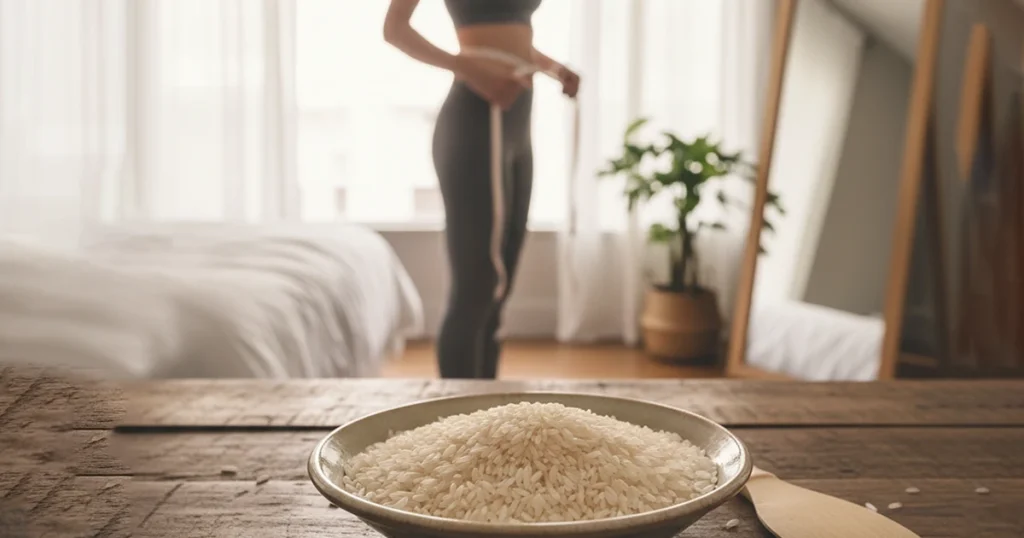
Rice is one of the most widely consumed foods in the world, yet it often sparks debate among those trying to shed extra pounds. Many people wonder, is rice good for weight loss, or does it lead to unwanted weight gain? The truth is, rice can fit perfectly into a balanced diet when you understand how to portion it and pair it with the right foods.
The key lies not in cutting rice completely, but in choosing the right type, cooking method, and portion size. Whether you prefer white rice, brown rice, or even jasmine rice, each variety has unique nutritional benefits that can either support or hinder your weight loss goals. To make the process easier and more effective, consider working with a nutrition coaching plan that helps you create a personalized approach that fits your lifestyle, ensures proper portions, and guides you toward sustainable results.
Understanding Rice & Weight Loss
Carbohydrates often get a bad reputation, but they’re an essential energy source your body needs. The challenge arises when carbs are consumed in excess or in highly refined forms. Rice mainly provides carbohydrates, moderate protein, and a small amount of fat.
A single cup of white rice has around 200 calories, while calories in 1 cup of brown rice has about 215 calories, along with added fiber and nutrients. This makes brown rice more filling and better for blood sugar control.
Rice is often linked to weight gain because it’s easy to overeat and commonly paired with calorie-heavy dishes. However, when portioned right, it can be part of a calorie-controlled, balanced meal plan.
Rice and Glycemic Index (GI)
The Glycemic Index (GI) plays a major role in how rice affects your body’s energy and fat storage. It measures how quickly carbohydrates turn into glucose in your bloodstream. Foods with a high GI cause faster sugar spikes, leading to increased hunger and potential fat gain. Understanding the GI of different rice types helps you make smarter choices for weight loss and stable energy.
White rice typically has a higher GI than brown or black rice. Brown rice vs white rice calories show minor differences, but the higher fiber content in brown rice slows digestion, providing more sustained energy. Interestingly, a 2015 study found that cooked, cooled, and then reheated white rice produced lower blood sugar spikes compared to freshly cooked rice, due to an increase in resistant starch during the cooling process. Cooling cooked rice before eating or pairing it with protein can therefore help lower its GI and make it more weight-loss friendly.
Cooking methods matter too: boiled or steamed rice has a lower GI than fried or sticky varieties like arborio or sushi rice bowl.
Effect of Rice on Blood Sugar Spikes
Rice is a carbohydrate-dense food that can cause rapid increases in blood sugar and insulin levels, particularly when consumed alone or in large portions. These quick spikes can lead to energy crashes, increased cravings, and difficulty managing body weight. For people with insulin resistance or diabetes, uncontrolled blood sugar fluctuations may slow weight loss and increase fat storage.
However, combining rice with the right nutrients and adjusting how it’s eaten can help stabilize glucose levels and support overall metabolic health. To minimize sugar spikes:
- Combine rice with protein (like chicken or tofu) or fiber-rich vegetables.
- Avoid eating large servings of rice in one sitting.
- Choose low-calorie rice options like cauliflower rice occasionally.
Is Rice Healthy for Weight Loss?
Yes, rice can be healthy for weight loss when eaten in moderation and as part of a balanced diet. The belief that rice automatically leads to weight gain is a misconception—it’s the portion size and what you pair it with that truly matter. Choosing nutrient-dense rice varieties provides sustained energy and better appetite control, helping you stay on track with your fitness goals.
The best rice for weight loss includes brown, red, and black rice, as they’re rich in fiber, antioxidants, and essential nutrients that promote fullness and steady digestion. Your overall results depend on diet quality, portion control, and activity level, not on rice itself. When consumed mindfully, rice can be a supportive part of a healthy weight-loss plan.
Types of Rice & Their Impact on Weight Loss
Not all rice varieties affect your body the same way. Each type has its own nutritional profile, fiber content, and Glycemic Index (GI), all of which influence weight management differently. Choosing the right rice can help control hunger, stabilize blood sugar, and improve digestion key factors in any effective weight loss plan. Below are the most common rice types and how they impact your journey toward a healthier, leaner body.
Brown Rice
Brown rice is widely regarded as the best rice for weight loss due to its high fiber content and nutrient density. Unlike white rice, it retains the bran and germ layers, which are rich in vitamins, minerals, and antioxidants. With a lower Glycemic Index (around 50–55), brown rice releases energy gradually, helping to control hunger and reduce sugar spikes.
It’s also packed with magnesium and B vitamins that support metabolism. Regular consumption of brown rice for losing weight can enhance digestion, improve gut health, and promote fat burning naturally.
Red Rice
Red rice stands out for its deep color and impressive antioxidant content, particularly anthocyanins, the same compounds found in berries. It has a medium GI and a slightly chewy texture that promotes satiety. Rich in fiber, iron, and zinc, red rice supports better blood flow and oxygen transport, which can boost energy during workouts.
It’s also beneficial for heart health and cholesterol management. Including red rice in your diet helps balance nutrient intake and maintain steady energy levels, making it a great alternative to white rice for weight management.
White Rice
White rice, while lower in fiber, remains a staple carbohydrate source for millions worldwide. It has a higher Glycemic Index (around 70), meaning it digests quickly and can raise blood sugar faster than whole-grain varieties. However, this doesn’t make it unhealthy when portioned properly and paired with nutrient-dense foods; it can still fit into a balanced weight-loss diet.
According to the USDA, one cup of white, long-grain, unenriched, cooked rice provides approximately:
- Calories: 205
- Protein: 4.3 g
- Fat: 0.4 g
- Carbohydrates: 44.6 g (Sugar: 0.1 g; Fiber: 0.6 g)
The calories in a cup of white rice are similar to brown rice, but its lighter texture and faster digestion make it ideal for replenishing glycogen after workouts or during active days. When eaten with lean protein or fiber-rich vegetables, white rice can still support weight management while providing sustained energy.
Suggested Serving Size of Rice
Portion control plays a crucial role in how rice affects your weight loss results. Even the healthiest diet can stall progress if servings are too large. Rice is calorie-dense, and because it’s often a side dish to flavorful meals, it’s easy to consume more than intended. Establishing a proper serving size ensures you’re fueling your body with enough energy without tipping your calorie balance. By managing portions carefully, rice can remain a satisfying and supportive part of a calorie-conscious diet.
A good starting point is:
- ½ cup of cooked rice for women
- ¾ to 1 cup for men, depending on activity level
For weight loss:
- Stick to around 150–200 calories in a cup of rice per meal.
- Fill half your plate with vegetables, a quarter with protein, and a quarter with rice.
- Avoid eating multiple rice-based dishes (like a beef rice bowl with fried rice on the side).
How to Include Rice in Your Diet for Weight Loss
Eliminating rice completely isn’t necessary for losing weight; what matters is how you include it in your meals. Rice can be part of a balanced, nutrient-rich diet when portioned correctly and paired with the right foods. The goal is to create meals that stabilize blood sugar, promote fullness, and support calorie control. With a few mindful strategies, you can enjoy rice while still moving closer to your weight-loss goals.
Tips for success:
- Pair rice with lean protein (chicken, eggs, tofu) and fiber-rich vegetables (spinach, broccoli).
- Try the rice method diet, which emphasizes portion control and balanced macros.
- Opt for steamed, boiled, or pressure-cooked rice instead of fried versions.
- Eat rice earlier in the day when your metabolism and activity levels are higher.
Take Control of Your Weight with Smart Choices
So, is rice good for weight loss? Yes, when eaten in moderation and paired with nutrient-rich foods, rice can absolutely be part of a healthy and sustainable weight management plan. What truly matters is balancing the right portions, cooking methods, and lifestyle choices that align with your individual needs and goals.
At Aesthetics & Pain, we understand that there’s no one-size-fits-all approach to nutrition. Our nutrition coaching programs are designed to help you lose weight without restrictive diets or cutting out the foods you love, including rice. We create personalized plans that fit your lifestyle, preferences, and daily routine, ensuring results that are both effective and sustainable.
If you’re ready to take control of your health and build lasting habits, contact us today to start your customized weight loss journey, one that works for you, not against you.