
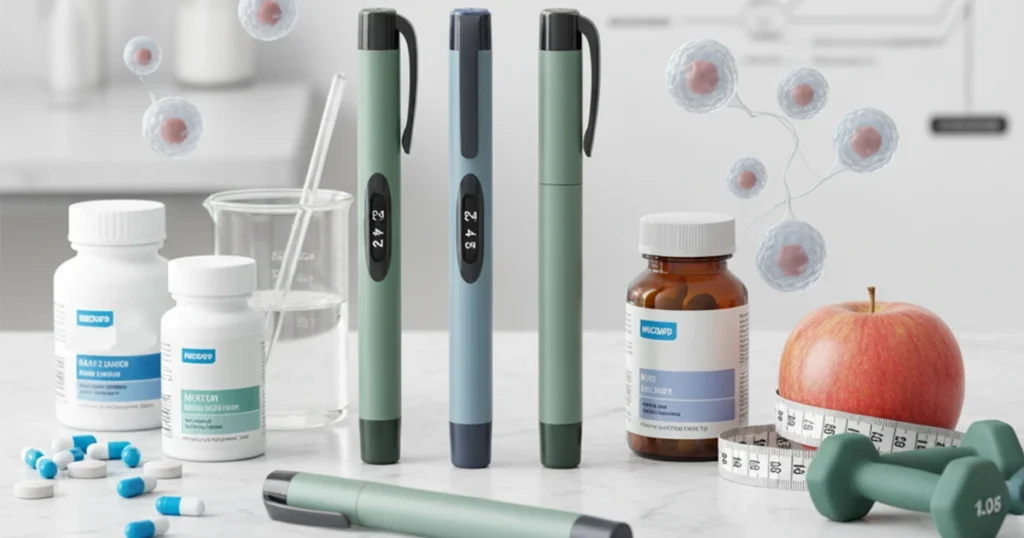
Finding the right medication can feel overwhelming, especially with so many new therapies promising dramatic results. If you’re wondering which GLP-1 is best for weight loss, you’re already taking the first step toward informed decision-making. These treatments have surged in popularity because they offer clinically proven results for people who haven’t seen meaningful progress with lifestyle changes alone.
Today, weight-loss options range from injectable medications like Wegovy and Zepbound to phased-dose treatments, compounded GLP-1 alternatives, and even GLP-1 supplements or booster formulas. While not all options work the same, it’s important to focus on medical weight-loss options under professional guidance. Consulting a licensed healthcare provider ensures safe, effective treatment and helps you choose therapies with proven results rather than unverified or over-the-counter alternatives.
What Are GLP-1 Medications?
GLP-1 (glucagon-like peptide-1) medications mimic a hormone that helps regulate appetite and blood sugar. These drugs slow gastric emptying, reduce hunger, and support stable energy levels, which collectively promote weight loss. They aren’t the same as glp-1 patches or weight loss patches, and products claiming GLP-1 booster effects without clinical backing generally lack proof.
Beyond weight loss, GLP-1s can improve blood sugar control, cardiovascular risk, and inflammation. Because they help manage insulin release, some GLP-1s are used in diabetes care alongside other therapies. While a GLP-1 supplement may support metabolic health, only prescription GLP-1s have strong clinical outcomes for weight reduction.
Top GLP-1 Drugs for Weight Loss
The top GLP-1 drugs for weight loss are Semaglutide and Tirzepatide, which have shown the most significant results in clinical trials and real-world use. These medications vary in strength, dosing routine, insurance coverage, and patient compatibility. Some provide faster and more substantial weight loss, while others are better tolerated or easier to access. Understanding how the leading options compare can help you choose the right therapy with your healthcare provider.
Below are the most widely used prescription GLP-1 treatments, supported by clinical research and real-world outcomes.
Semaglutide (Wegovy, Ozempic)
Semaglutide is one of the most recognized GLP-1 therapies due to its clinically proven weight-loss results and weekly dosing schedule. It works by reducing appetite, increasing satiety, and slowing gastric emptying, helping patients consume fewer calories without feeling deprived.
In a 68-week clinical trial (STEP 6, East Asian adults with or without diabetes), participants taking semaglutide 2.4 mg lost an average of 13.2% of their initial body weight, compared with 2.4% for placebo, and 83% achieved ≥5% weight loss versus 31% on placebo. Because of its balanced effectiveness and tolerability, semaglutide has become a first-choice option for many individuals seeking medical weight-loss support.
Semaglutide is FDA-approved for weight management under the brand Wegovy, while Ozempic is used primarily for type 2 diabetes.
Key Points:
- Average weight loss: ~12–15% of body weight
- FDA-approved for weight loss (Wegovy)
- Also prescribed for diabetes (Ozempic)
- Compared with phentermine vs Ozempic, semaglutide has fewer stimulant-based effects
Tirzepatide (Zepbound, Mounjaro)
Tirzepatide is considered one of the most effective injectable options currently available, acting on both GLP-1 and GIP receptors for enhanced metabolic results. This dual mechanism helps improve appetite control, insulin sensitivity, and fat reduction more efficiently than single-action medications. Early research shows tirzepatide often produces greater weight-loss percentages than semaglutide. Many patients report stronger suppression of cravings, making it appealing for those who struggle with frequent snacking.
Key Points:
- Average weight loss: ~15–20%
- Strong hunger and craving control
Liraglutide (Saxenda)
Liraglutide is a once-daily injectable alternative for individuals who prefer slower dose escalation or cannot tolerate weekly medications. While it generally leads to more modest results than semaglutide or tirzepatide, it remains a clinically validated option. Liraglutide is especially useful for those beginning weight-management therapy or needing a medication with a longer track record. Because of daily dosing, adherence plays a big role in success.
Key Points:
- Average weight loss: ~6–8%
- Daily dosing required
- Suitable for patients easing into GLP-1 therapy
- Good option if weekly injections are not ideal
Who Is a Good Fit for GLP-1 Medications?
GLP-1 medications are designed for people who have struggled to achieve significant weight loss despite maintaining healthy lifestyle habits. They are typically recommended for individuals with a BMI of 30 or higher, or a BMI of 27 or higher if they also have related health conditions such as diabetes, high blood pressure, or sleep apnea.
The American Diabetes Association’s 2024 Standards of Care support using GLP-1s like semaglutide and tirzepatide for people with obesity and diabetes, highlighting their benefits for both weight loss and cardiovascular health. Working with a healthcare provider ensures that treatment is safe, structured, and tailored to individual needs.
You can be a good fit for GLP-1 medications if you:
- Have a BMI of 30 or higher
- Have a BMI of 27 or higher plus a weight-related condition, such as:
- Type 2 diabetes
- Hypertension (high blood pressure)
- High cholesterol
- Sleep apnea
- Cardiovascular disease
- Have struggled to lose or maintain weight with diet and exercise alone
- Are committed to ongoing lifestyle changes along with medication
- Want medical supervision for a structured weight-loss plan
You cannot qualify if you:
- Have a personal or family history of medullary thyroid cancer (MTC)
- Have Multiple Endocrine Neoplasia syndrome type 2 (MEN-2)
- Have a history of pancreatitis
- Have severe gastrointestinal disease
- Are pregnant, or planning a pregnancy
- Are allergic to GLP-1 medications
Eligibility and safety vary by individual; always involve a licensed healthcare professional to determine the best option.
Tips to Maximize Results with GLP-1 Therapy
GLP-1 therapy pairs best with balanced routines and mindful nutrition. Consistent dosing, supported by a GLP1 diet emphasizing lean protein, veggies, and slow-digesting carbs, enhances appetite control and prevents blood sugar dips. Practical add-ons:
- Strength training 2–3 times/week to protect lean muscle
- Tracking progress to catch plateaus early
- Hydration for nausea support
If slowdowns occur, providers may adjust dosing or suggest alternatives, avoiding unproven options like weightcare patches, GLP-2 products, or lemme GLP-1 patch claims.
Build Your Optimal Weight-Loss Plan
Success with GLP-1 therapy depends on customizing your approach to your medical history, lifestyle, and weight-loss goals. Choosing between Zepbound and Wegovy or evaluating products like ifmagic GLP1 or hers GLP-1 should always prioritize safety and proven effectiveness. Medically approved GLP-1 medications outperform over-the-counter options, reducing risks such as slim patch side effects or digestive discomfort. Working with a healthcare provider ensures guidance for a smoother, safer experience.
At Aesthetics & Pain, we provide medical weight-loss options such as semaglutide to help patients achieve sustainable results. Our approach addresses aesthetic goals, injection-site comfort, and overall well-being, ensuring a personalized plan that keeps you consistent, confident, and supported throughout your weight-loss journey.